MOUNT KILIMANJARO
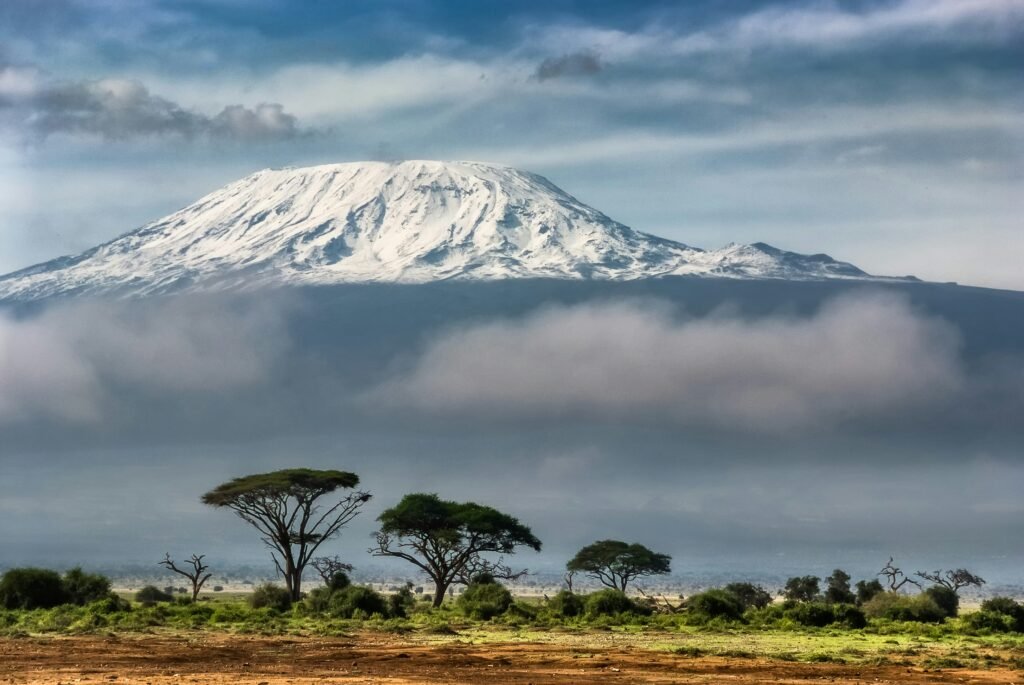
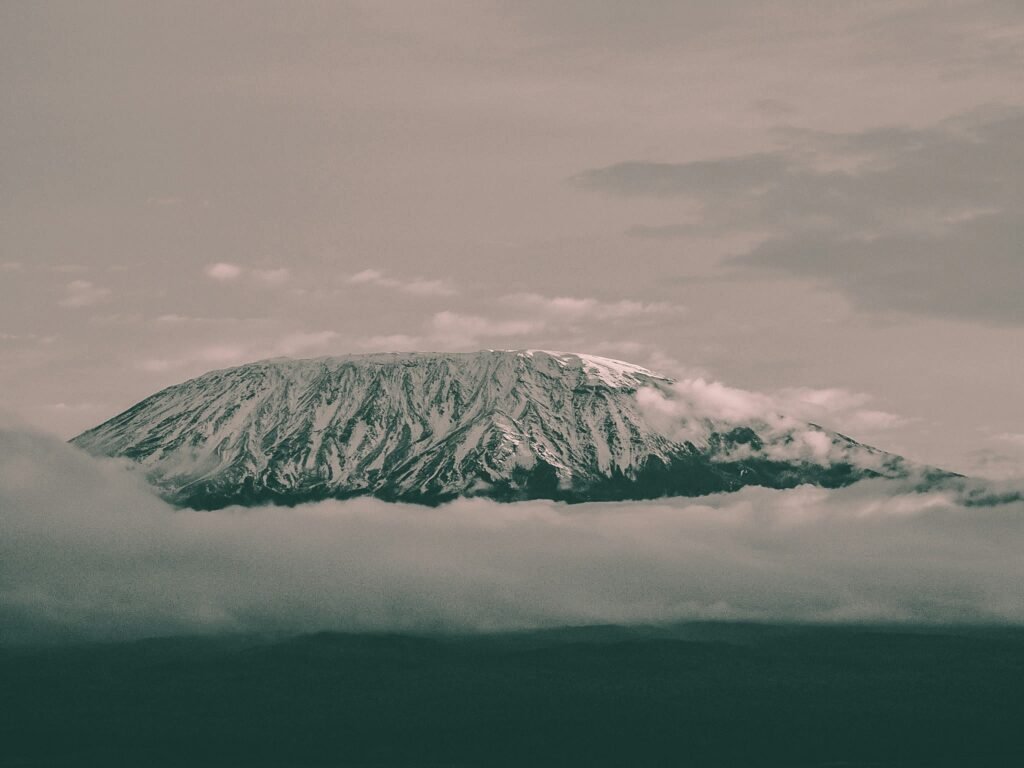
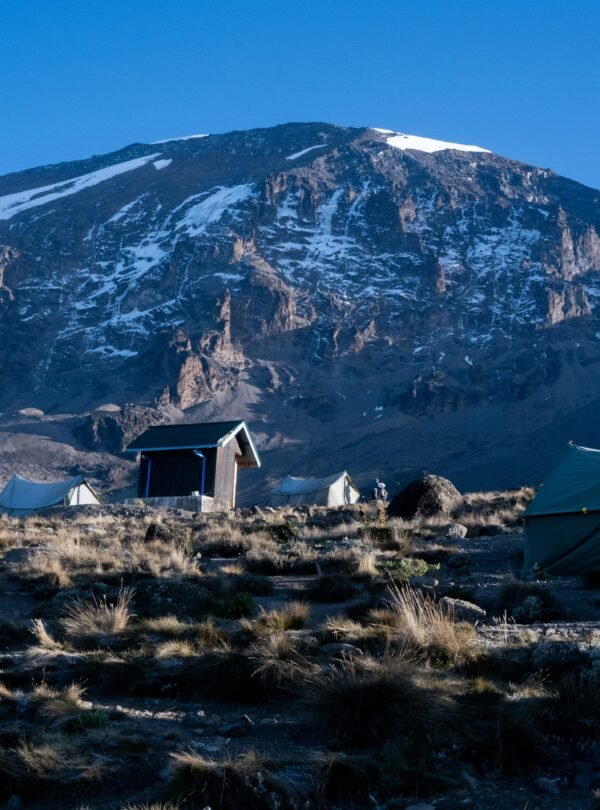
Rising above the plains of northern Tanzania, Mount Kilimanjaro is the highest mountain in Africa and one of the world’s most iconic natural landmarks. Standing at 5,895 meters (19,341 feet), Kilimanjaro is a free-standing volcanic mountain made up of three cones — Kibo, Mawenzi, and Shira. Its snow-capped summit contrasts dramatically with the surrounding savannah, creating one of the most recognizable landscapes on Earth. Climbers from around the world are drawn to the mountain not only for the challenge of reaching Uhuru Peak, but also for the chance to experience its changing ecosystems, from lush rainforest and alpine desert to icy glaciers near the summit.
Quick Facts
- Africas Highest Peak: 5895m (19,341ft)
- Located in Tanzania, near the Kenya border
- World’s tallest free-standing mountain
- 3 volcanic cones: Kibo, Mawenzi, Shira
- Glaciers are slowly shrinking
- Thousands of climbers attempt it yearly
Why Kilimanjaro Is One of Africa’s Greatest Adventures
Stand on Africa’s highest peak – Reach the summit of Mount Kilimanjaro at 5,895 meters (19,341 feet) above sea level and experience one of the greatest achievements in adventure travel.
Experience multiple climate zones – Trek through lush rainforest, moorland, alpine desert, and arctic summit landscapes, all within a single mountain journey.
No technical climbing experience required – Unlike many major mountains, Kilimanjaro can be climbed without ropes or technical mountaineering skills, making it accessible to many travelers with proper preparation.
Achieve a life-changing personal milestone – Climbing Kilimanjaro is as much a mental challenge as a physical one, offering a deep sense of accomplishment and personal growth.
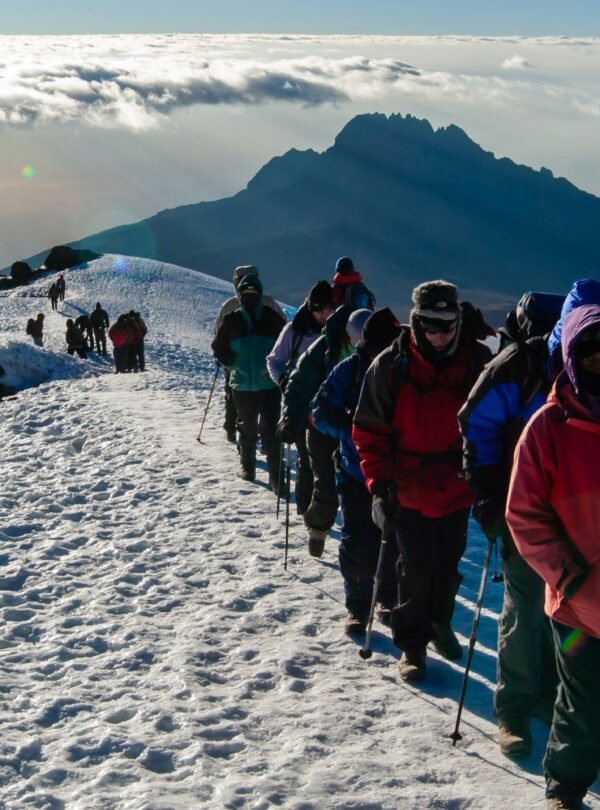
Witness an unforgettable sunrise at Uhuru Peak – Arrive at the summit before dawn and watch the sun rise above the clouds, illuminating the vast landscapes of northern Tanzania.
MOUNT KILIMANARO ROUTES
Lemosho Route
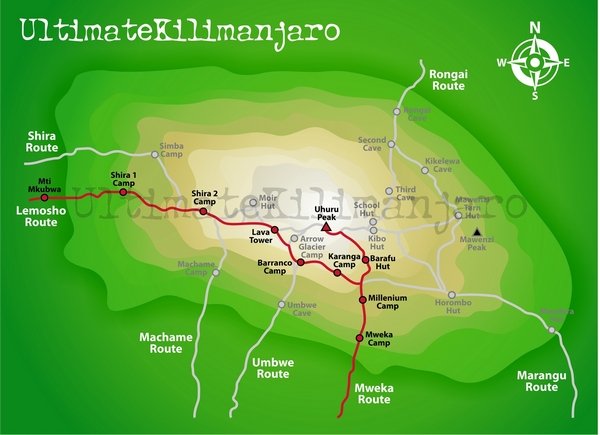
The Lemosho Route on Mount Kilimanjaro is widely regarded as one of the most scenic and well-balanced paths to the summit. Starting on the western side of the mountain, it passes through remote rainforest before joining the Shira Plateau, offering hikers a gradual ascent that helps with acclimatization.
The route typically takes 7 to 8 days, which improves summit success rates compared to shorter options. Along the way, trekkers experience a full range of Kilimanjaro’s ecosystems—from dense forest and moorland to alpine desert and icy conditions near the top.
Because it is less crowded in the early stages, Lemosho provides a quieter, more immersive wilderness experience while still connecting to the popular southern circuit before the final push to Uhuru Peak.
Marangu Route
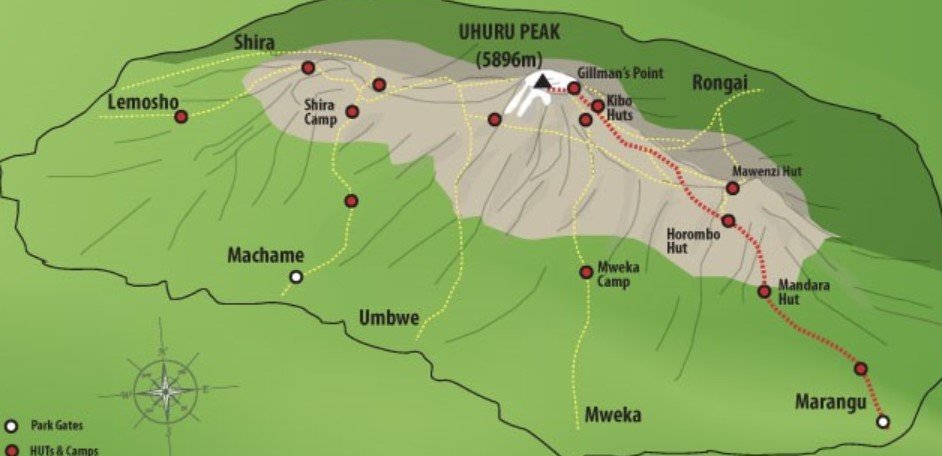
The Marangu Route on Mount Kilimanjaro is often called the “Coca-Cola route” because it’s the most established and straightforward path to the summit. It’s the only route with hut accommodations along the way, so instead of camping, you rest in simple mountain huts that offer a bit more shelter and comfort at the end of each day.
The trail begins on the southeastern side of the mountain and takes you through beautiful rainforest, where the air is humid, the trees are tall, and the sounds of birds and wildlife surround you. As you climb higher, the landscape gradually shifts into moorland and then into the stark, open alpine zone near the summit.
Marangu is generally considered the shortest route, usually completed in about 5 to 6 days. That makes it more direct, but also a bit more demanding in terms of acclimatization. The climb up and descent use the same path, so you see the mountain from the same perspective both going and coming back.
Machame Route
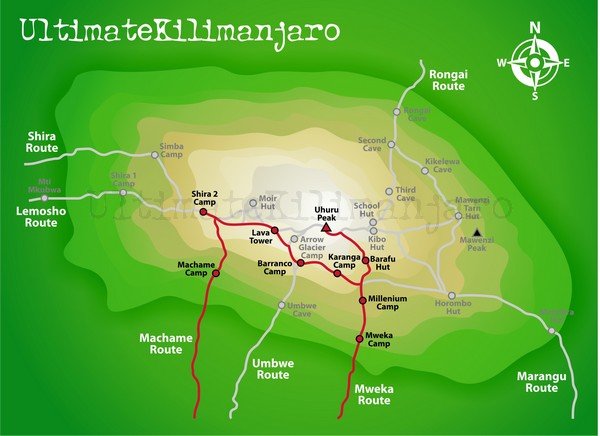
The Machame Route on Mount Kilimanjaro is one of the most popular and scenic ways to reach the summit. Known as the “Whiskey Route,” it’s more challenging than some other paths, but it rewards you with constantly changing landscapes and a real sense of adventure. The journey begins in lush rainforest on the southern slopes, where the air is thick, green, and full of life.
As you climb higher, the trail moves through moorland, volcanic ridges, and open alpine desert. One of the most memorable sections is the Barranco Wall, a steep but non-technical climb that adds excitement without requiring mountaineering skills. The route is designed with good acclimatization in mind, following a “climb high, sleep low” pattern over 6 to 7 days, which helps your body adjust to the altitude.
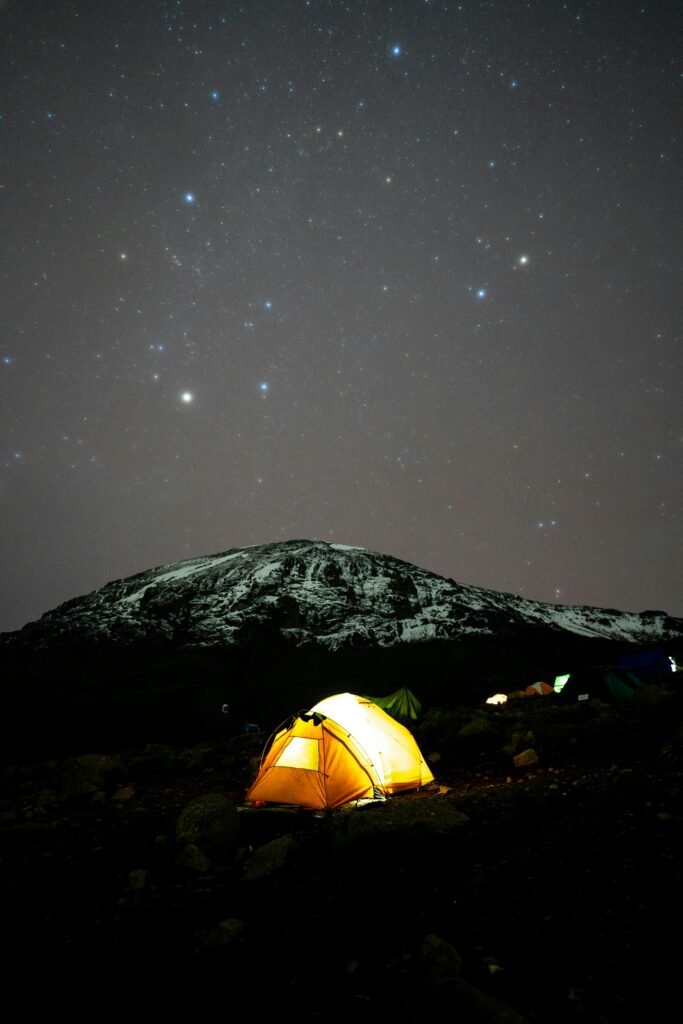
Unlike the hut-based routes, Machame is a camping route, so you spend nights in tents under the wide African sky. It feels more rugged and immersive, but also deeply rewarding as you fully experience the mountain’s changing moods. By the time you push toward Uhuru Peak, every step feels like part of a bigger journey that builds into an unforgettable summit moment.

Climbing Kilimanjaro with Us
Experienced local mountain teams
You’re guided by people who know the mountain deeply, from weather patterns to trail conditions, helping you move safely and confidently at every stage.
Better summit success through smart planning
We design itineraries with proper acclimatization, pacing, and route selection so your body has the best possible chance to adjust to altitude.
Personalized support from booking to summit
From airport pickup in Tanzania to park permits, camping equipment, meals, and safety gear, everything is organized so you can focus on the climb itself.
Comfort and care in tough conditions
Even in remote environments, we prioritize clean setups, good nutrition, and consistent support to make the experience as smooth as possible.
A real connection to the mountain, not just a climb
We focus on pacing, education, and experience, so you don’t just reach the summit—you understand the mountain as you go.
High-quality support on the mountain
Our porters, cooks, and guides work as a coordinated team to keep you well-fed, rested, and supported throughout the trek.
Find Your Perfect Route
Each route offers its own pace, scenery, and mountain experience — giving you different ways to make the journey to the summit your own.
GOT QUESTIONS ABOUT KILIMANJARO ?
Frequently Asked Questions
What is the best time to Climb Kilimanjaro ?
The best time to climb Mount Kilimanjaro is during the dry seasons: from January to March and from June to October. These months usually offer clearer skies, better trail conditions, and excellent views from the summit
How difficult is the Kilimanjaro climb?
Climbing Mount Kilimanjaro is challenging but achievable for most reasonably fit travelers. No technical climbing experience is needed, but the high altitude makes acclimatization very important. Choosing the right route and allowing enough days on the mountain greatly improves summit success.
Do you handle visa arrangements?
Yes. Tanzanian regulations require all climbers on Mount Kilimanjaro to be accompanied by a licensed guide. Traveling with an experienced local operator also ensures proper safety procedures, logistics, meals, camping equipment, and support throughout the trek.