Oloresho St, Sanawari, Arusha, Tanzania · A real person replies within the hour
Tanzania · UNESCO World Heritage Site
Ngorongoro Crater Safaris
Lions, elephants and black rhino on one vast crater floor. We plan your private Ngorongoro safari, from the first early-morning descent to the last sundowner.
✓ Private, tailor-made safaris✓ Planned by our team in Arusha✓ Trips from $1,496
260 km²Crater floor
600 mCrater wall height
25,000Large animals (approx.)
1979UNESCO listed
All yearWildlife viewing
The crater
A natural amphitheatre of wildlife
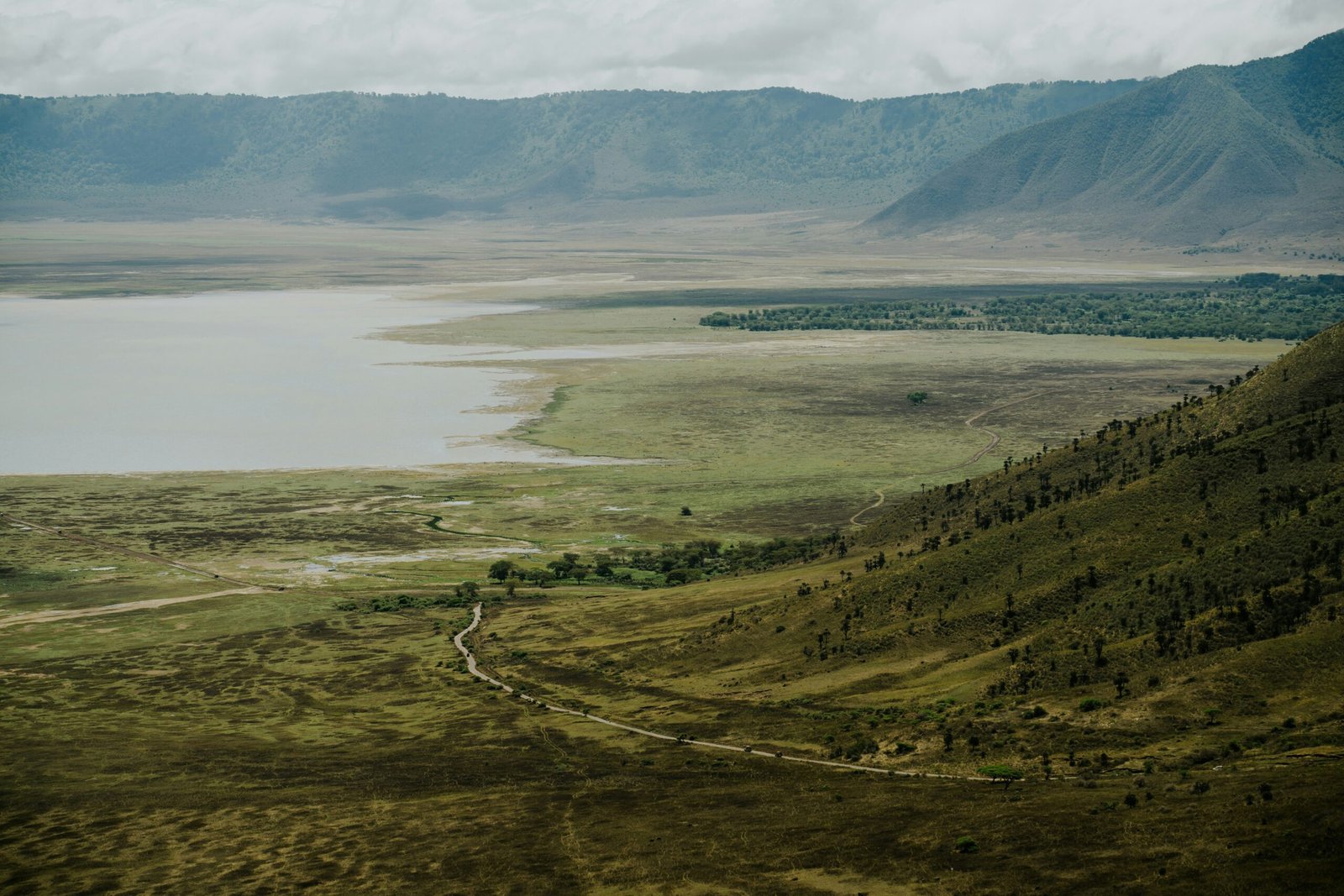
Ngorongoro formed when a giant volcano collapsed millions of years ago, leaving a caldera up to 19 km across with walls about 600 m high.
Those walls trap water and grass, so thousands of animals stay on the floor all year. For visitors that means some of the best wildlife viewing in Africa, with lions, elephants, buffalo, hippos and black rhino often seen in a single morning.
A private vehicle and guide, arranged for you
Early starts timed to reach the crater floor before the crowds
Easy to combine with Tarangire, the Serengeti or Zanzibar
The crater holds permanent resident wildlife, so sightings are reliable in every season.
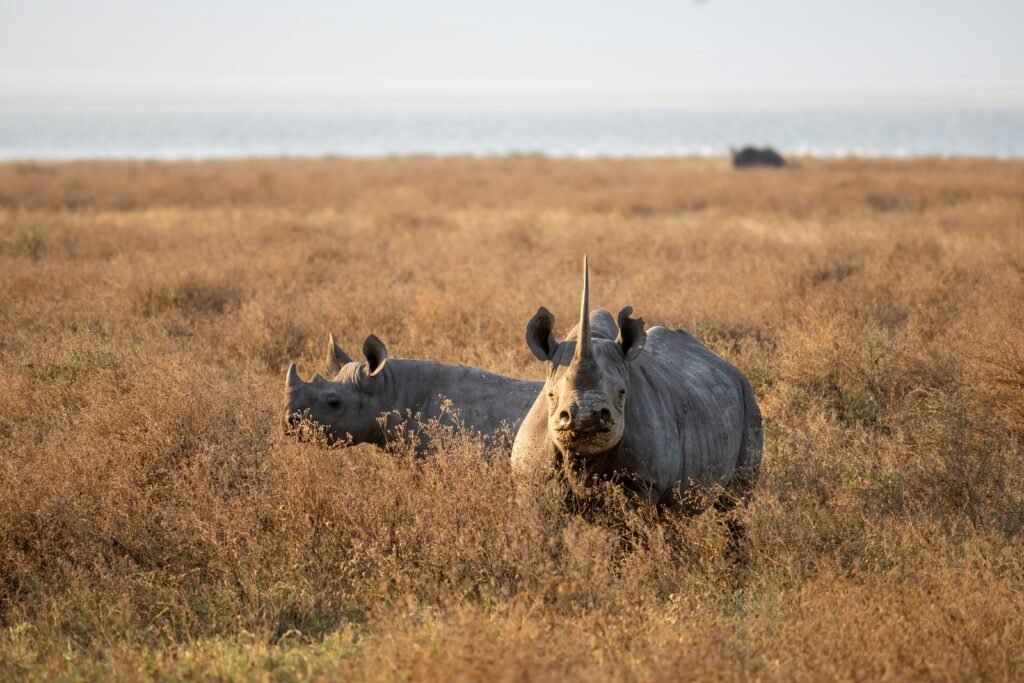
Black rhino
One of the best places in Tanzania to look for this critically endangered species.
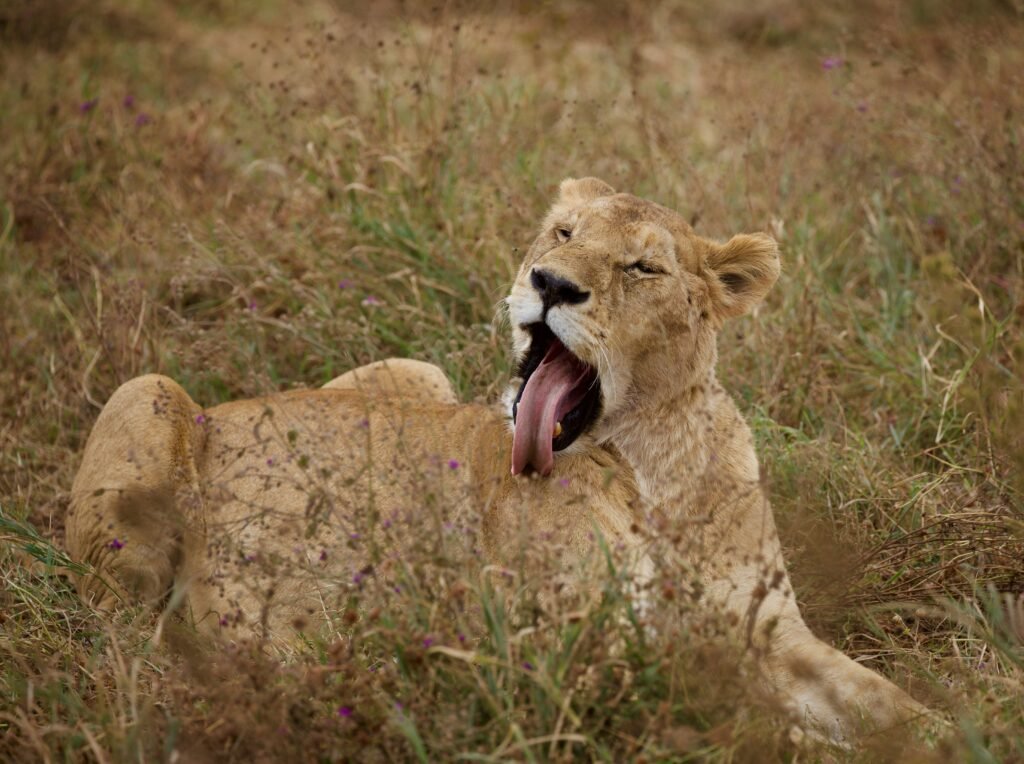
Lions
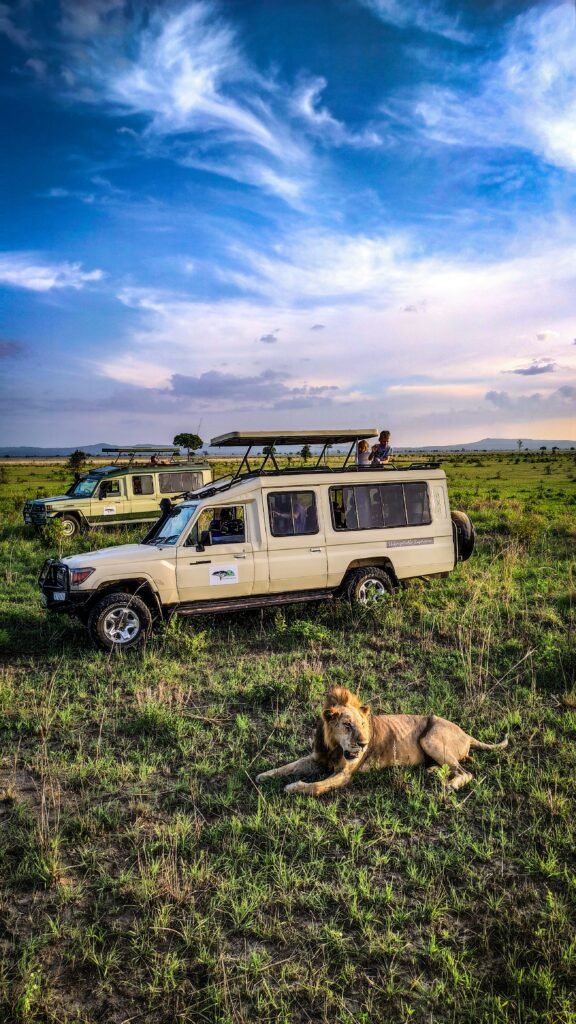
Large prides hunt the open plains and are often visible from the road.
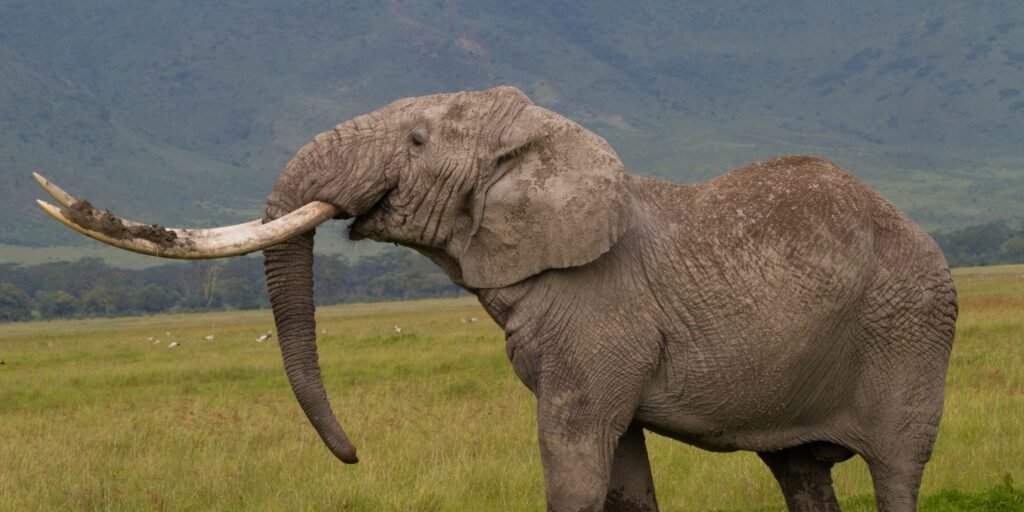
Elephants
Old bulls with heavy tusks roam the Lerai forest.
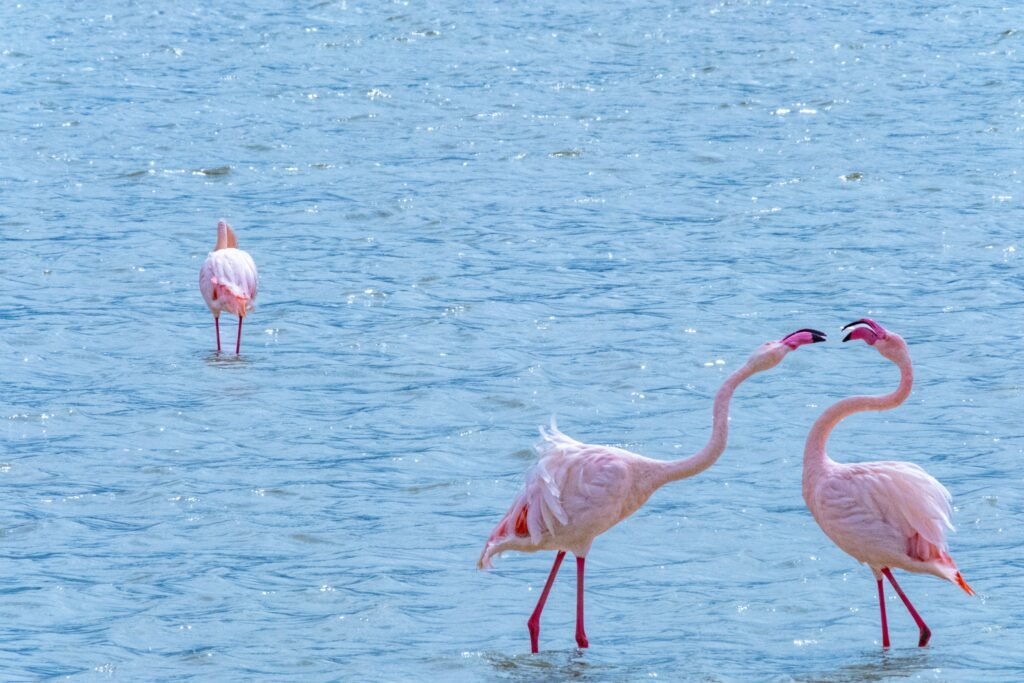
Flamingos
Lake Magadi can turn pink when the flocks are in. Numbers vary with water levels.
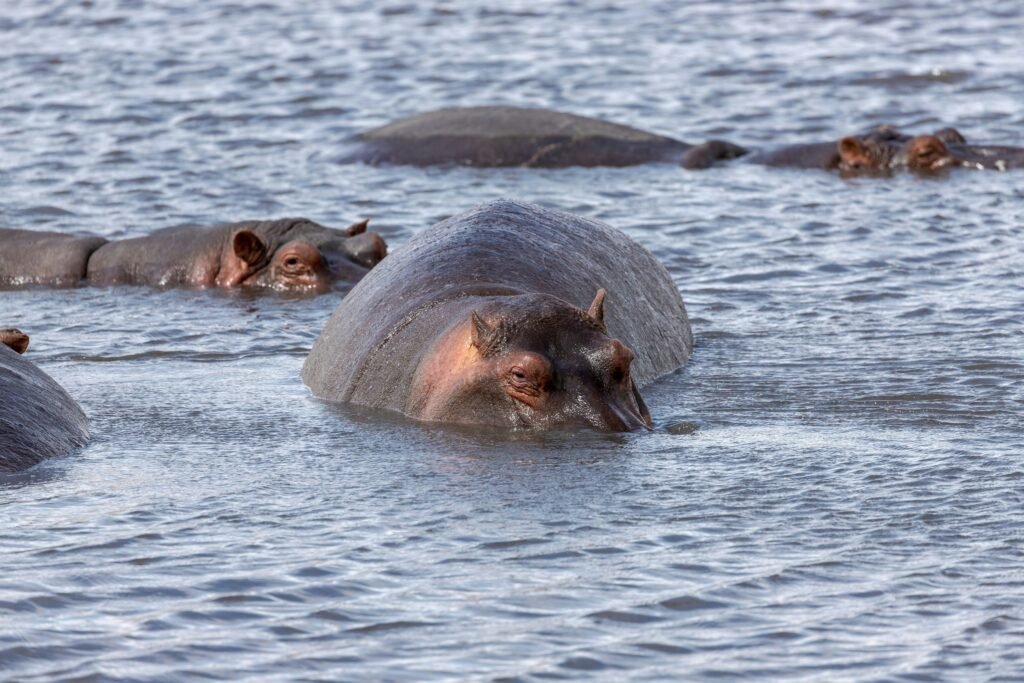
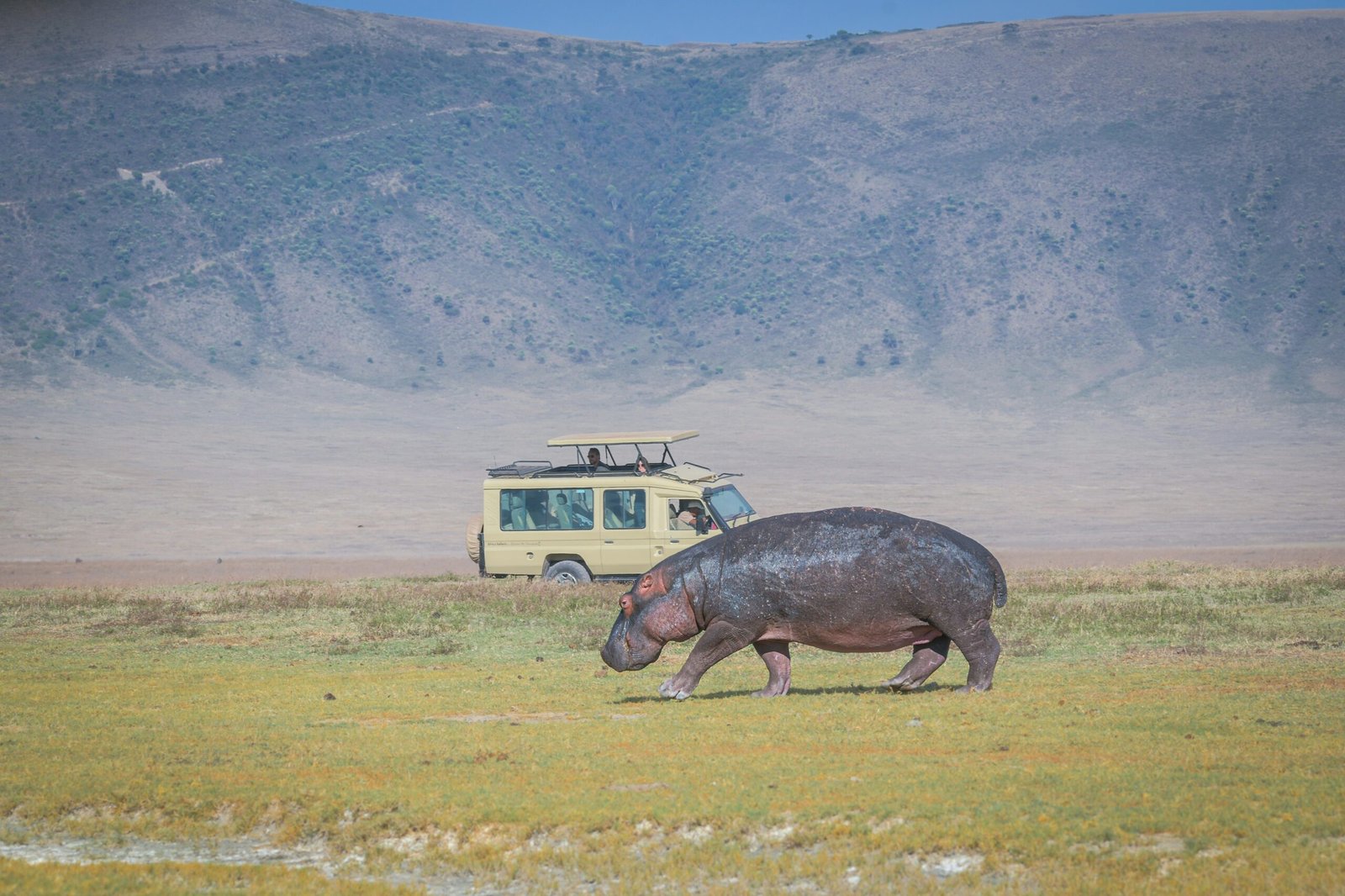
Hippos
A pod lives in the pools near Ngoitokitok Springs, a favourite picnic stop.
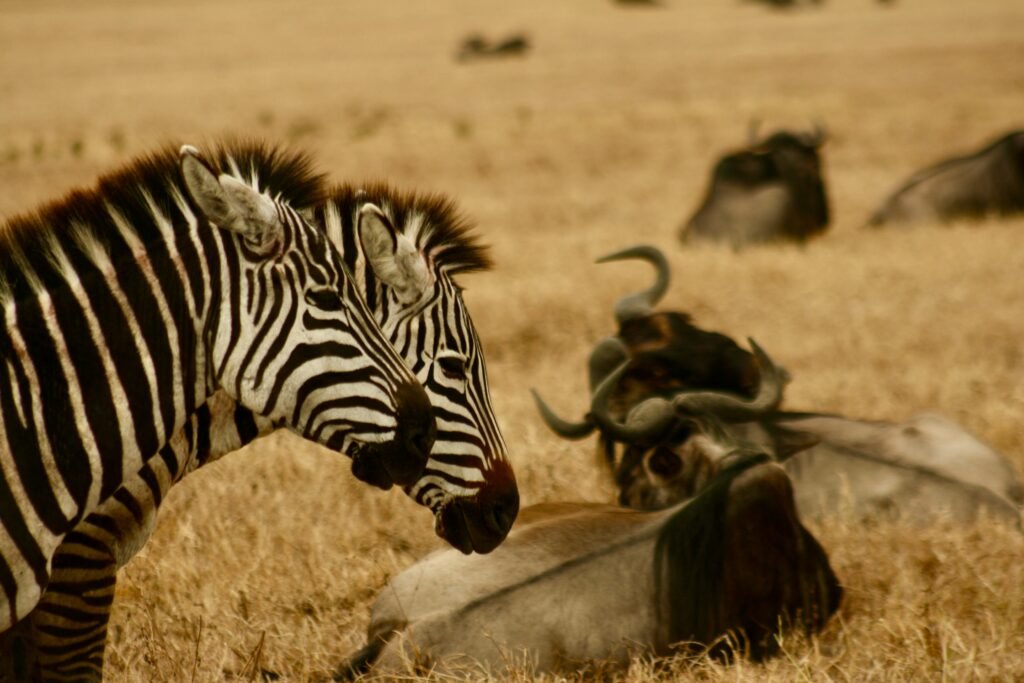
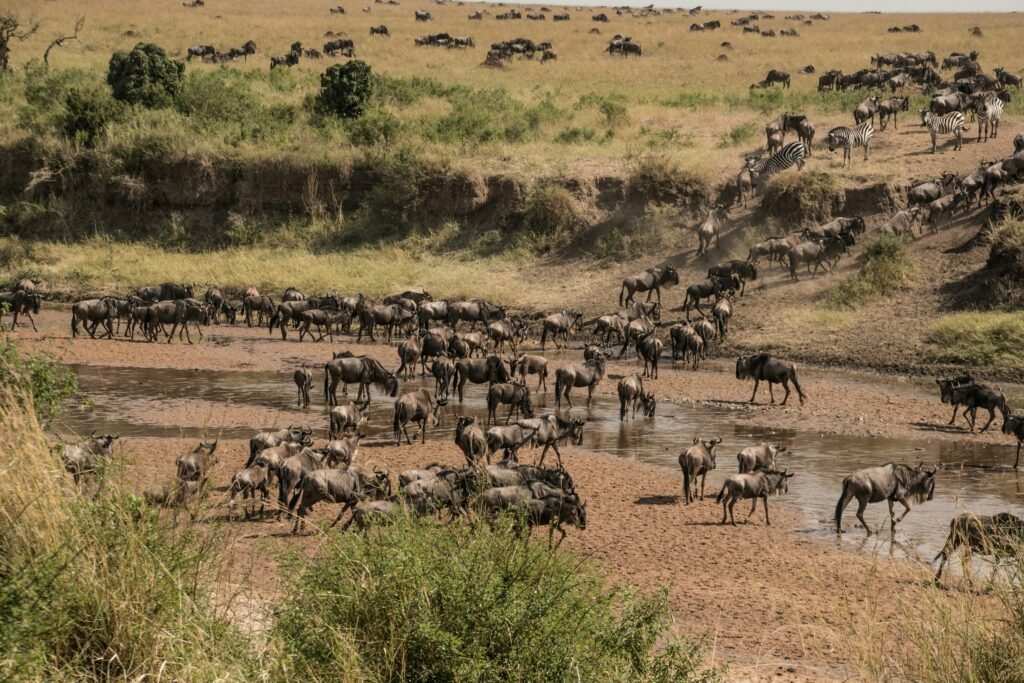
Wildebeest and zebra
Resident herds live here all year and draw the predators.
Big cats
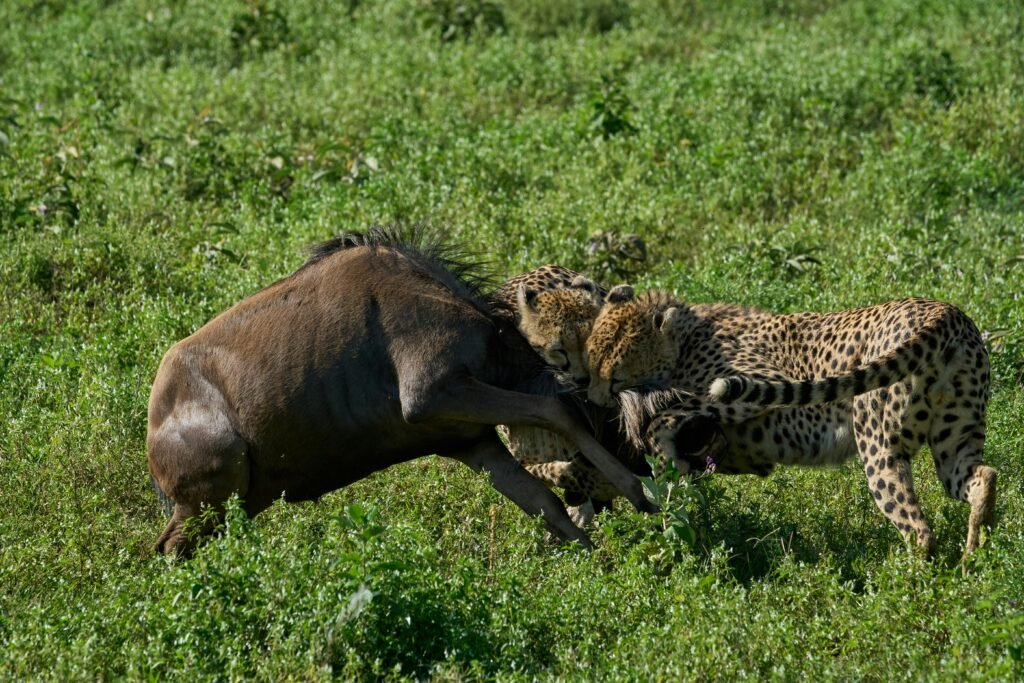
Leopard, cheetah and serval are rare, but possible with a patient guide.
Birdlife
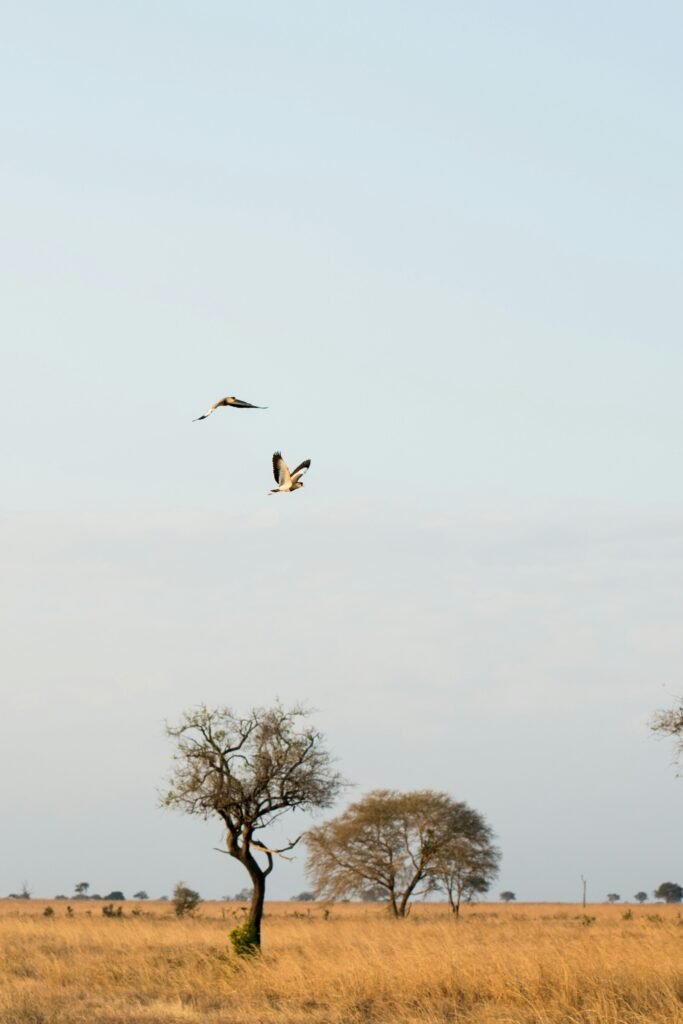
Hundreds of bird species, from ostriches to crowned cranes.
A typical day
Your day in the crater
Early breakfast on the rim
Hot coffee and a packed lunch while mist often lies over the crater below.
Descent to the crater floor
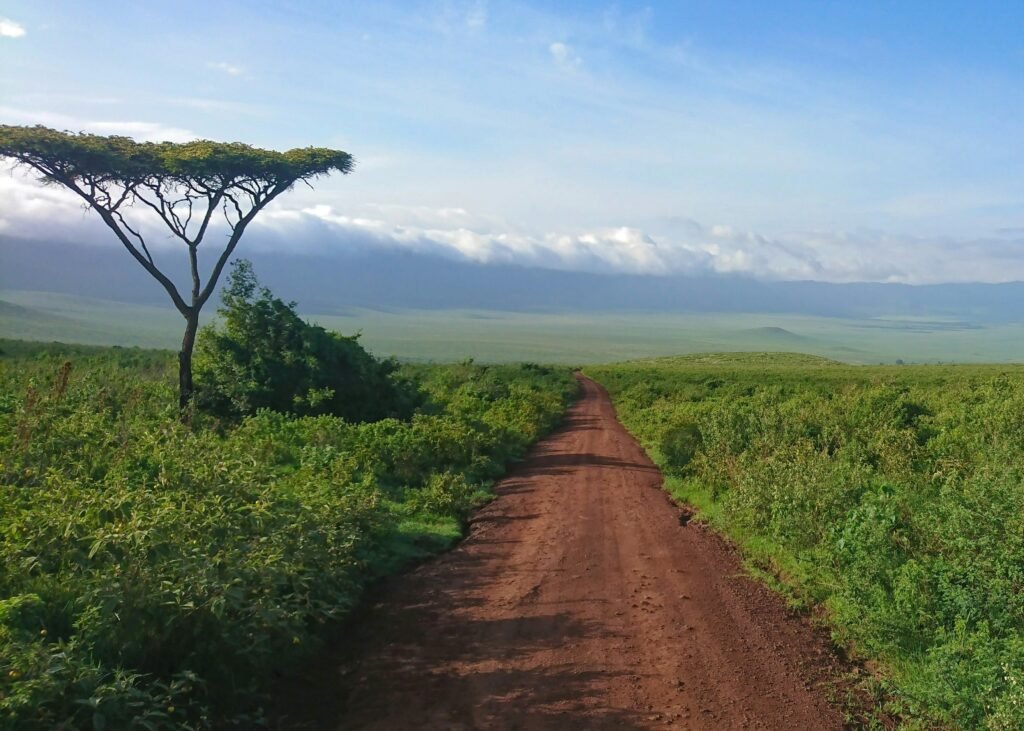
A winding road drops about 600 m to the plains. Morning light is the best for photos.
Morning game drive
Predators and herds are most active in the cool early hours. Your guide searches the plains for black rhino.
Picnic by the hippo pool
Stretch your legs, watch the hippos and keep your food covered, because the kites are bold.
Lake Magadi and the Lerai forest
Flamingos, wildebeest, zebra and elephants around the lake and the fever tree forest.
Climb out of the crater
Back to your lodge on the rim, or on towards the Serengeti or Karatu, depending on your itinerary.
When to go
The best time to visit Ngorongoro Crater
The crater is rewarding all year. Your best months depend on whether you want the easiest viewing or the quietest roads.
Peak season
Jun – Oct
Dry season
The easiest wildlife viewing. Animals gather near water and the tracks are firm. It is also the busiest time, so book early.
Green season
Nov – Mar
Short rains and calving
Fresh grass, young animals and migrant birds. The November and December rains are usually brief, and January to March brings calving season to nearby Ndutu.
Quiet season
Apr – May
Long rains
The fewest vehicles and often the lowest lodge rates. Expect showers, moody green scenery and some muddy tracks.
Flamingo numbers at Lake Magadi change with water levels, so they cannot be guaranteed in any month.
Beyond the crater
Maasai culture and the wider conservation area
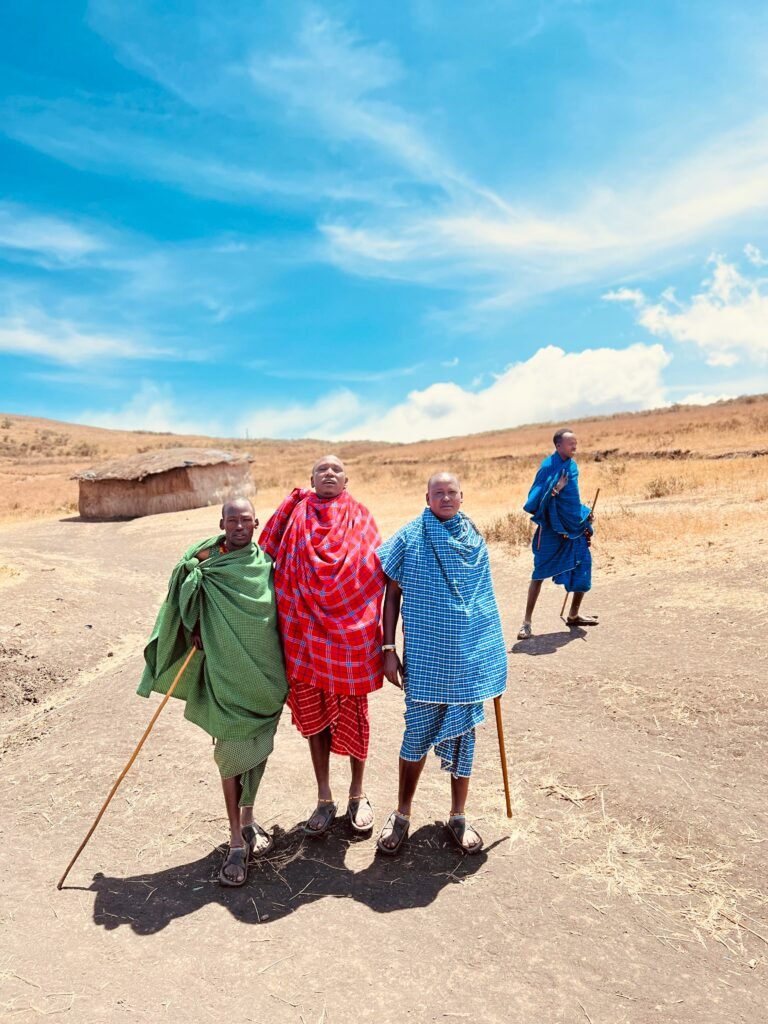
The crater sits inside the Ngorongoro Conservation Area, a protected landscape where Maasai pastoralists live alongside wildlife.
A respectful cultural visit can be added to your itinerary, so your trip includes people as well as animals.
Where to stay
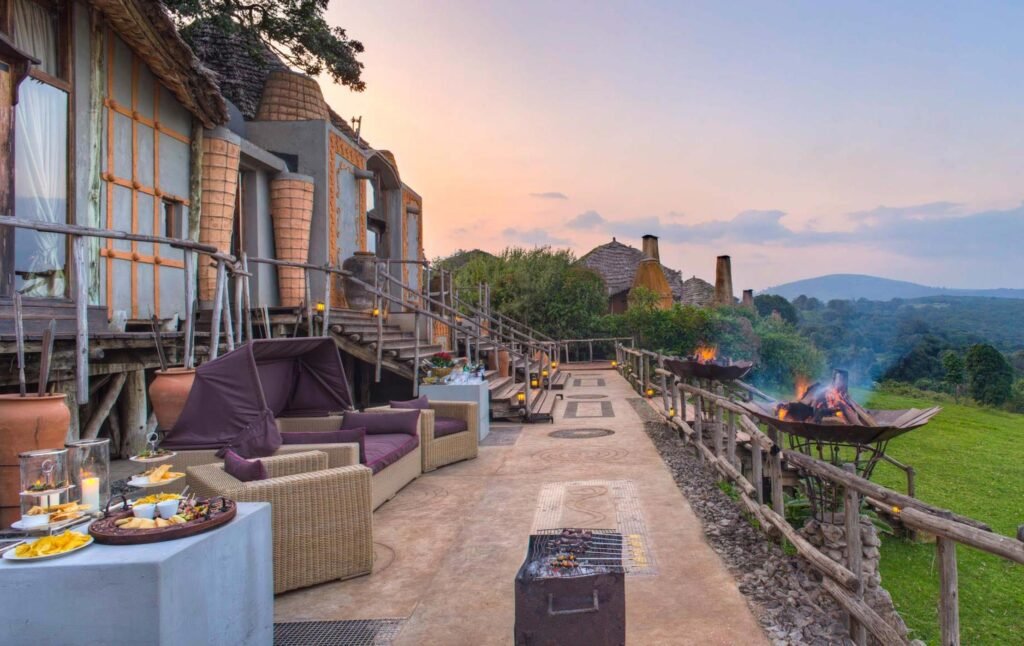
Sleep on the crater rim
Most travellers stay on the rim or in nearby Karatu.
Rim lodges give you sunrise views over the crater and a shorter drive down in the morning. We match lodges and camps to your budget, from comfortable mid-range to luxury.
Final prices depend on dates, group size and accommodation. Ask for a quote for your exact plan.
Ngorongoro Crater questions
Is Ngorongoro Crater worth visiting?
Yes. It is one of the few places in Africa where you can see lions, elephants, buffalo, hippos and black rhino in a single day, all on a compact crater floor of about 260 km². Sightings are strong in every season.
What is the best time to visit Ngorongoro Crater?
Game viewing is good all year because the animals live in the crater permanently. June to October is dry and the easiest for wildlife, but also the busiest. November to May is greener and quieter, with fewer vehicles and often lower rates at lodges.
How long should I spend at Ngorongoro Crater?
One full day on the crater floor is the standard, usually after a night on the rim or in Karatu. Most travellers combine it with Tarangire and the Serengeti on a 4 to 7 day safari.
Can I see the Big Five in Ngorongoro Crater?
Lion, elephant, buffalo and black rhino are all regularly seen. Leopards live in the forests around the rim but are rarely seen on the crater floor.
Do I need a 4×4 and a guide to enter the crater?
Yes. Only 4×4 safari vehicles can descend to the crater floor, and visitors are accompanied by a licensed guide. On a private safari with Komkya, your vehicle and guide are arranged for you.
Is Ngorongoro Crater crowded?
It can be busy in peak months, especially around the hippo pool picnic site. An early start and a private vehicle help you reach the best areas before the crowds.
Can I combine the crater with the Serengeti or Zanzibar?
Yes. Ngorongoro sits between Tarangire and the Serengeti on the northern circuit, and many of our itineraries finish with beach days in Zanzibar.
Ready to see the crater for yourself?
Tell us your dates, group size and what you would love to see. We will send a private itinerary shaped around you.


 4 days