How hard is it to climb Kilimanjaro?
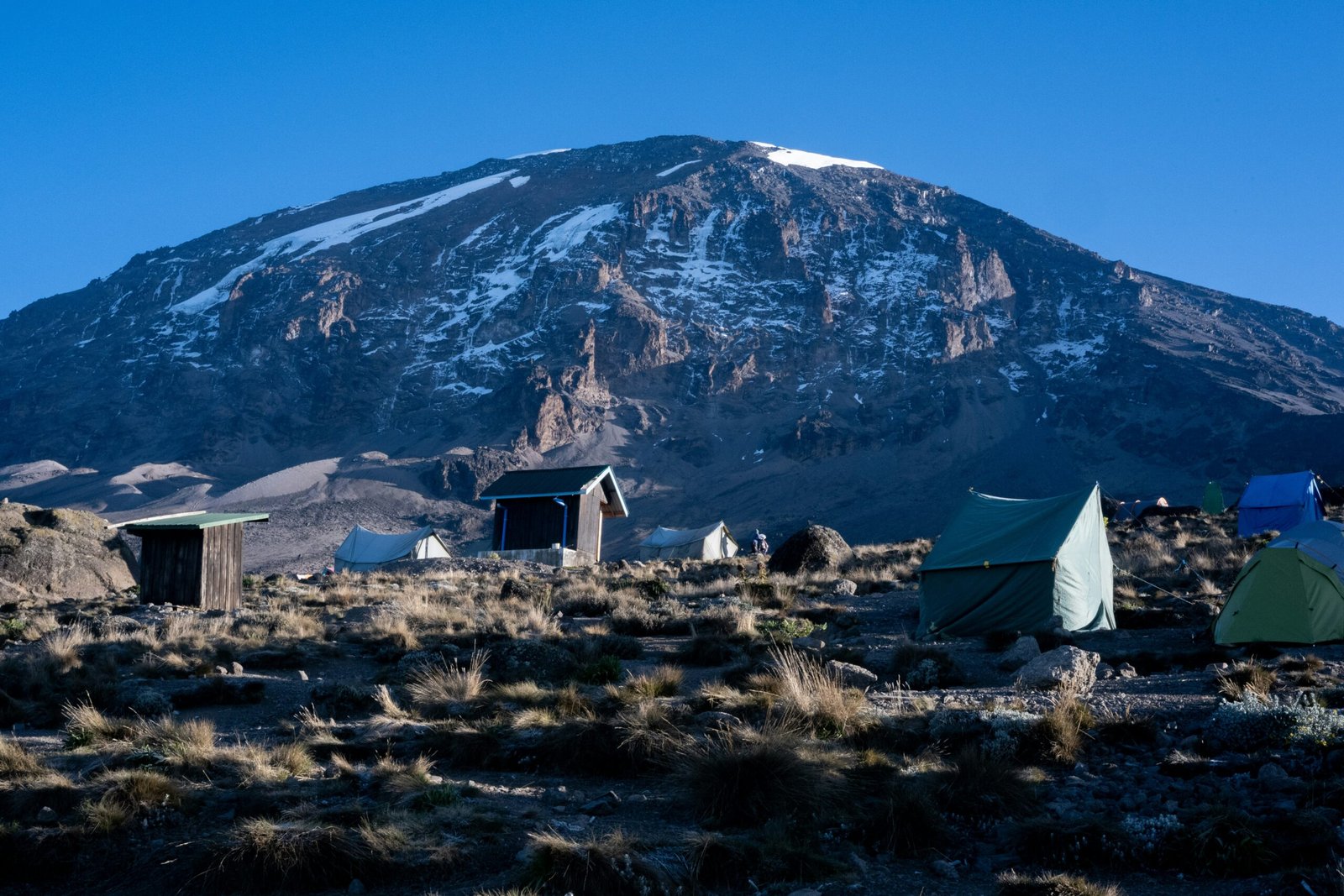
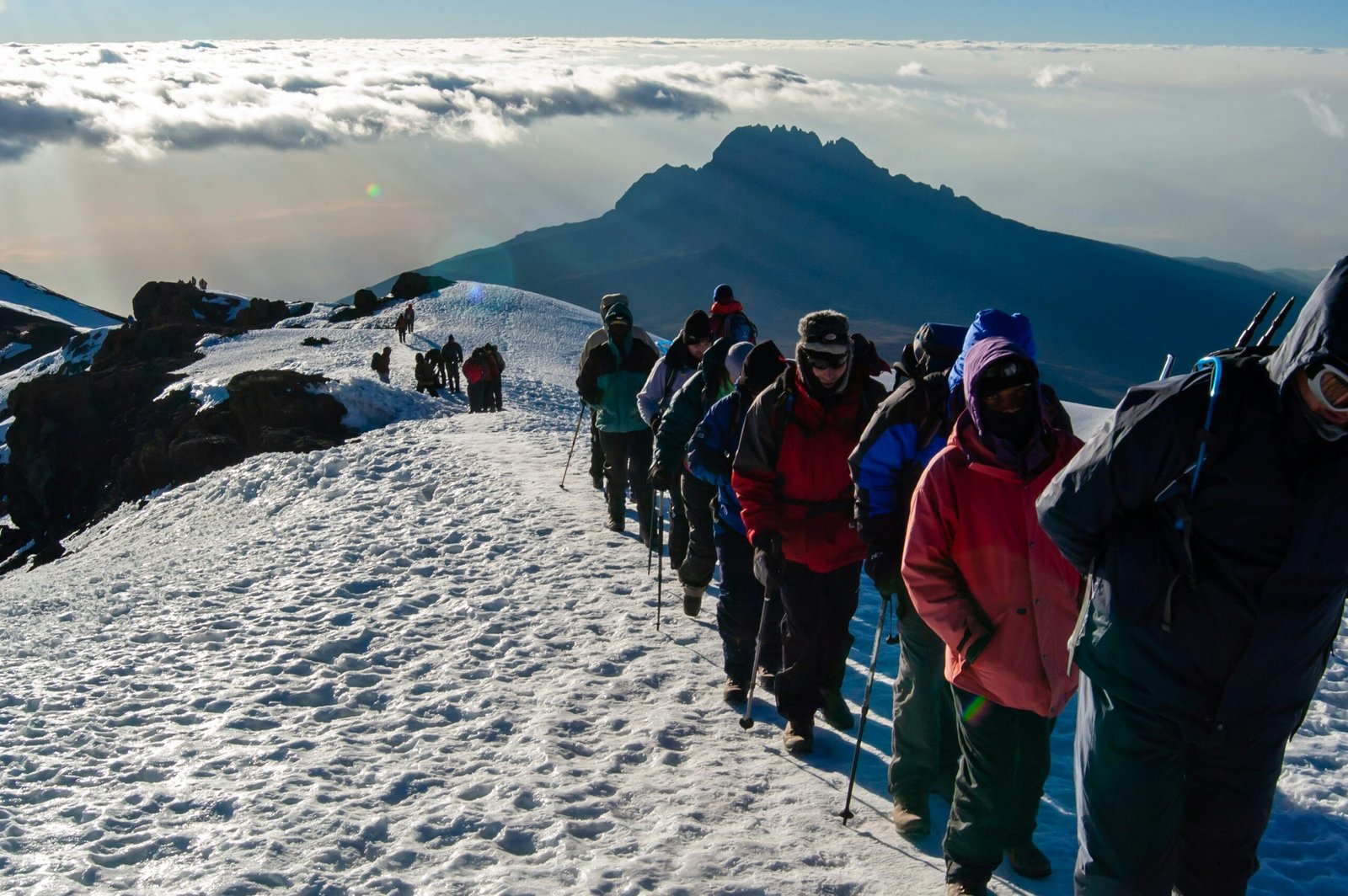
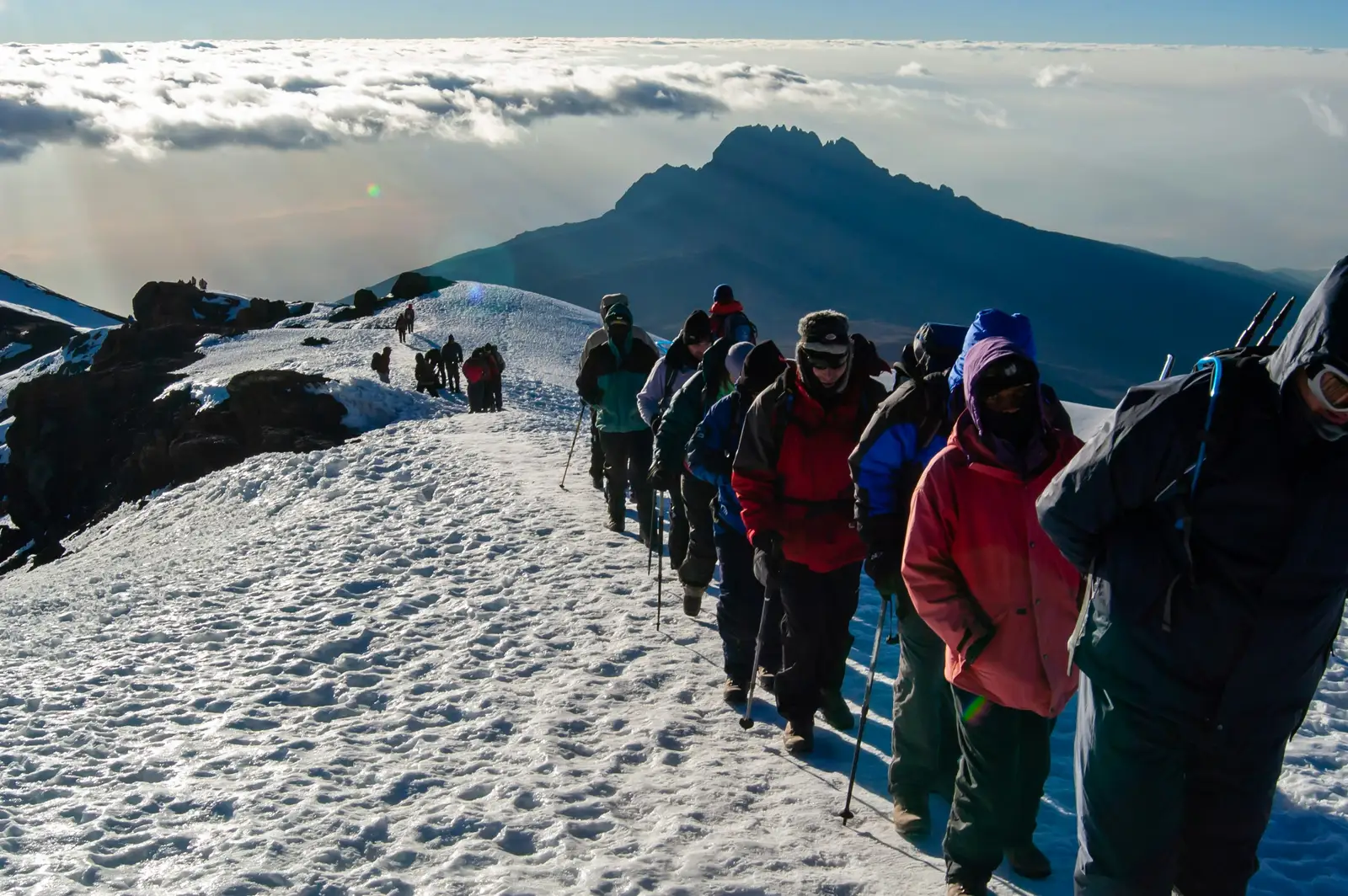
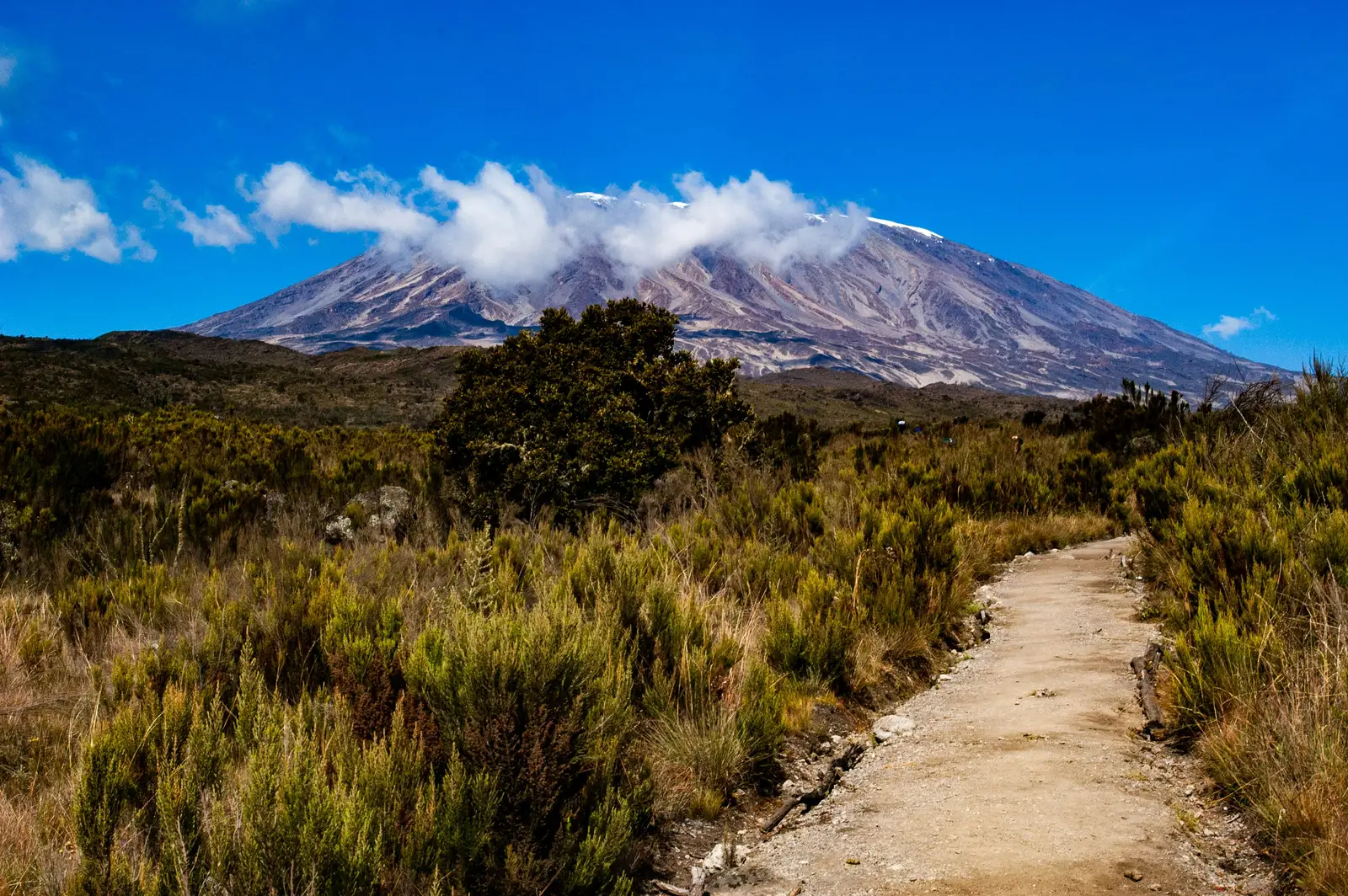
It's a long, high-altitude hike, not a technical climb. You need no ropes or climbing skills. The hard parts are the altitude and the summit night, which starts around midnight and takes 6–8 hours to the top. Most reasonably fit people who choose a 7–9 day route reach the summit.
Which route has the best chance of reaching the summit?
Longer routes give your body more time to adjust. The Northern Circuit (9 days) and Lemosho (8 days) have the highest summit rates. Machame and Rongai on 7 days are also good. Five-day plans have the lowest success rates, so we rarely recommend them.
When is the best time to climb Kilimanjaro?
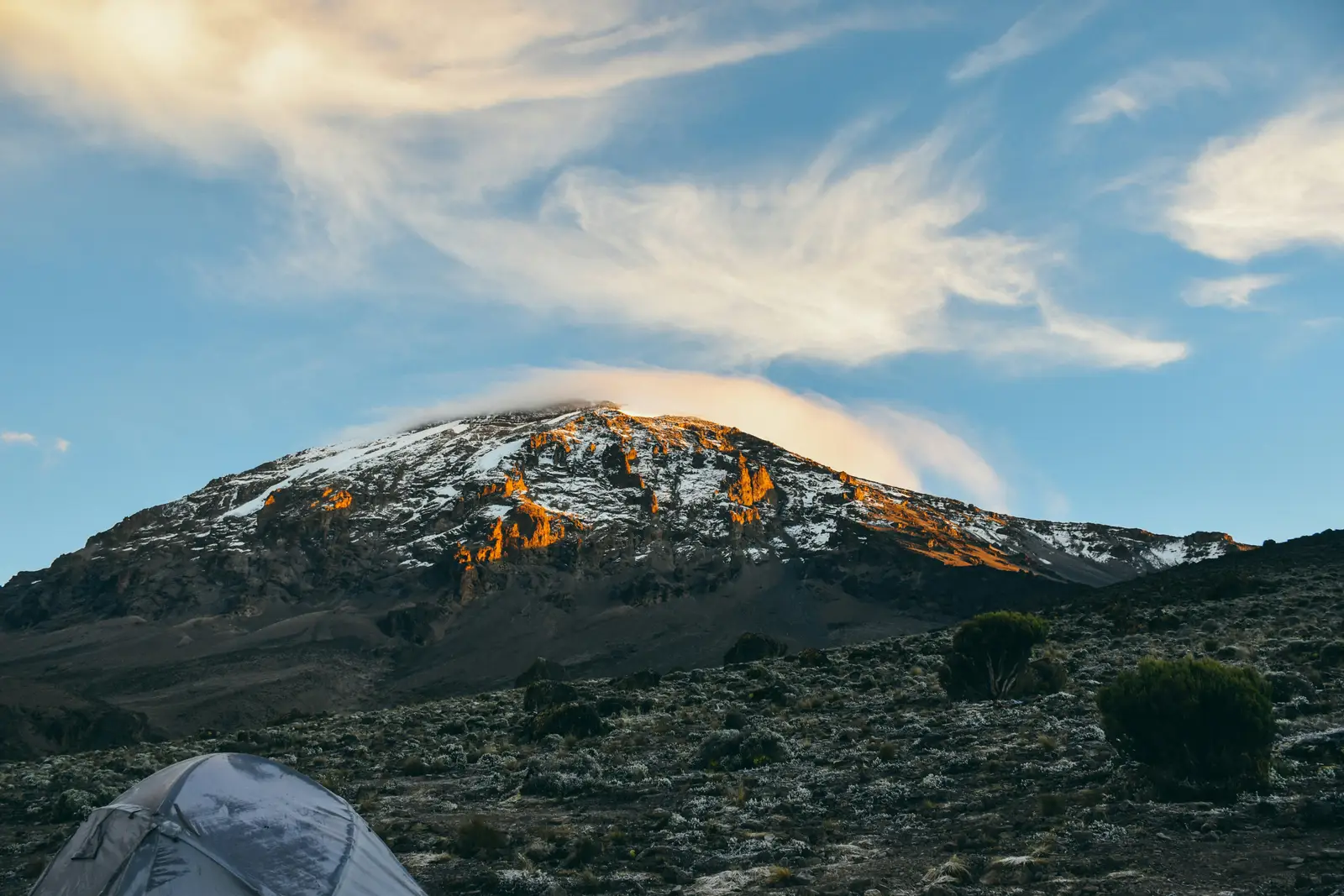
The dry seasons, January to early March and June to October, bring the clearest skies and the best trail conditions. You can climb all year: in the rainy months (April, May and November) the Rongai route on the drier northern side is a good choice.
How much does it cost to climb Kilimanjaro?
A well-run, ethical climb usually costs between $2,000 and $4,500 per person, depending on the route, the number of days and your group size. Park fees alone are a large part of that. Very cheap climbs often cut porter wages, food or safety equipment.
Do I need training before the climb?
Yes. Aim for 8–12 weeks of regular hiking, ideally with a loaded daypack and on hills, plus some cardio such as running, cycling or stair climbing. Long back-to-back walking days are the best preparation.
What about altitude sickness?
Mild headaches and tiredness are common above 3,500 m. We prevent problems with a slow pace, longer routes, plenty of water and twice-daily health checks. If symptoms become serious, the cure is to go down, and your guide will make that call with you.
Can I combine the climb with a safari or Zanzibar?
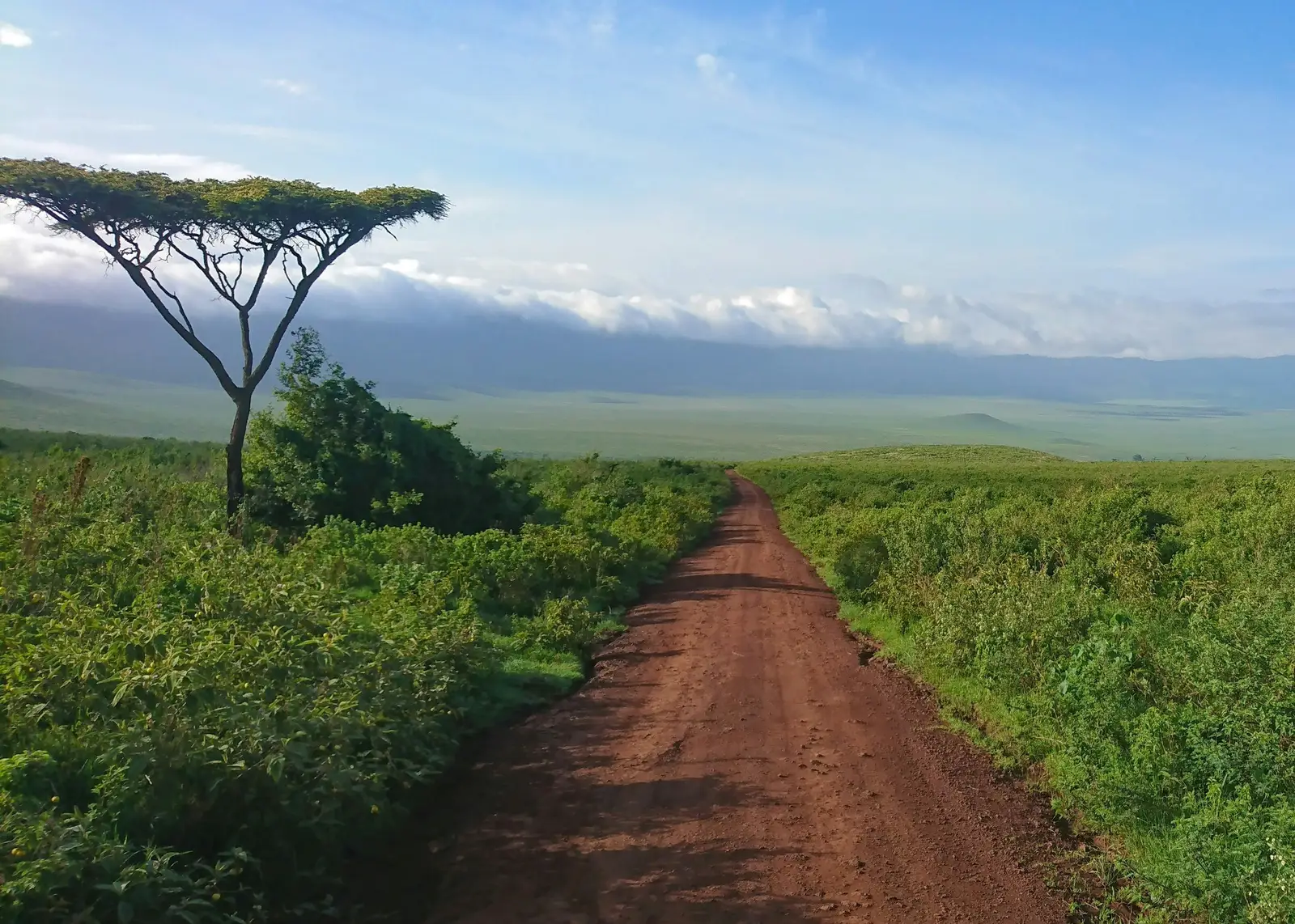
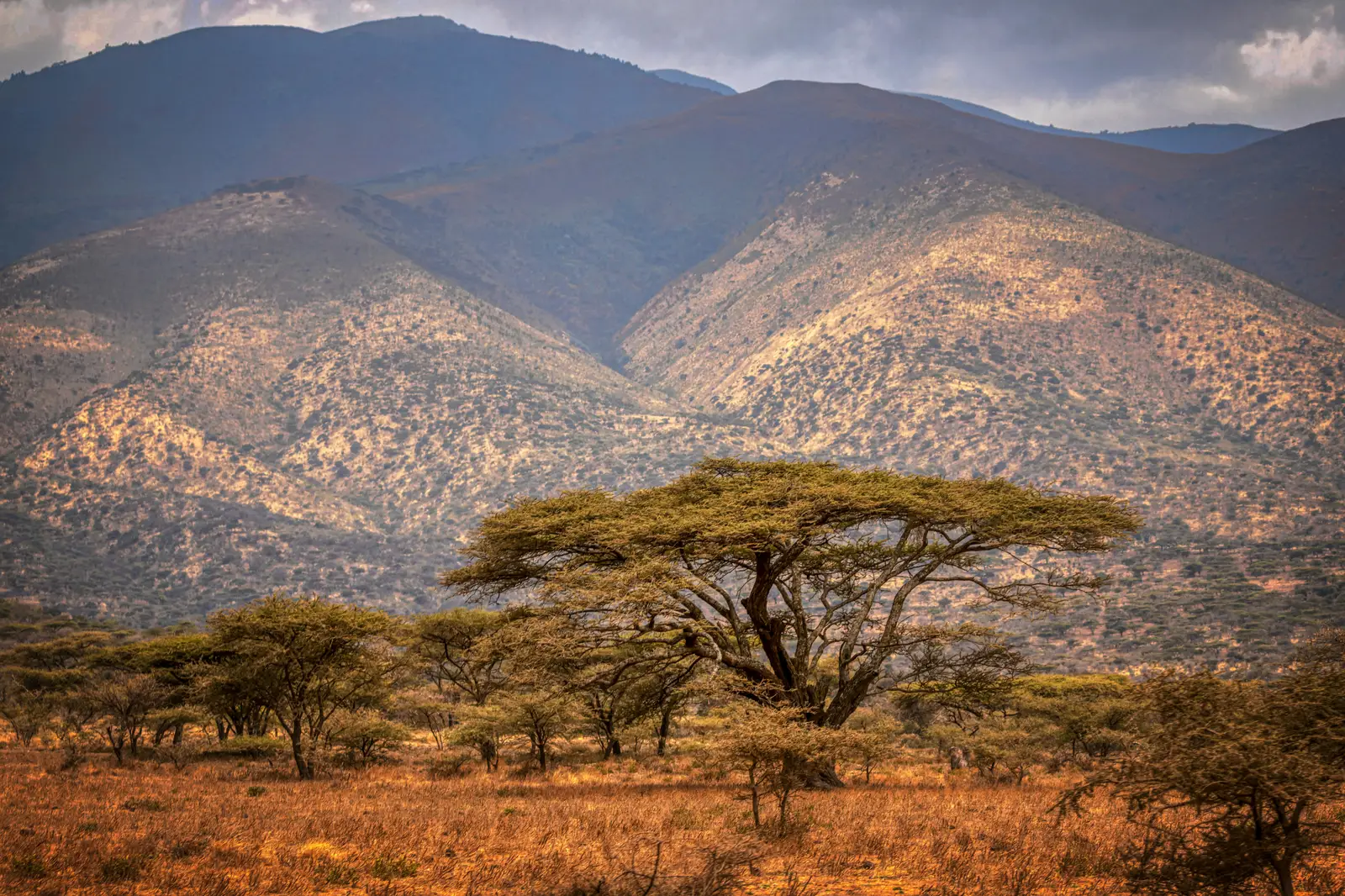
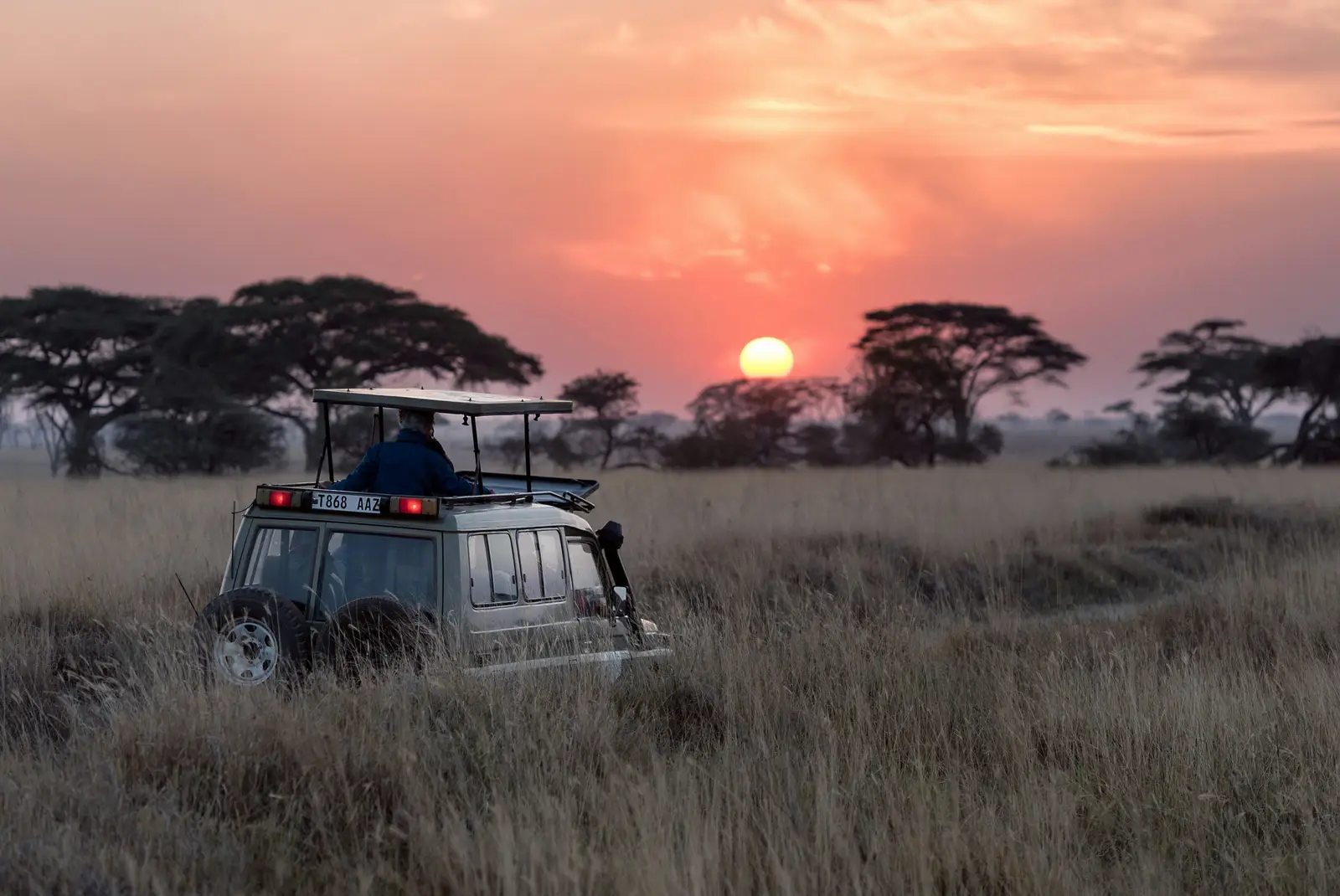
Yes, and most of our climbers do. A 2–4 day safari to Tarangire and the Ngorongoro Crater after the climb is a great way to rest your legs, and Zanzibar is a short flight away.
Do I need a guide?
Yes. Tanzanian park rules require every climber to go with a licensed guide and a registered operator. Your crew also carries the tents, cooks every meal and looks after your safety.